
Fire bureau warns that blocking escape routes won’t be tolerated; 102 fined
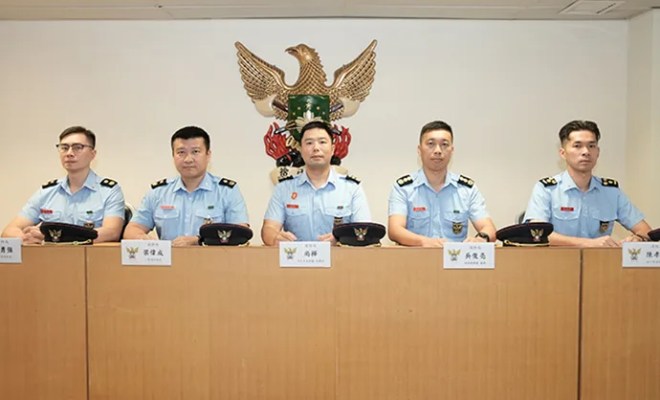
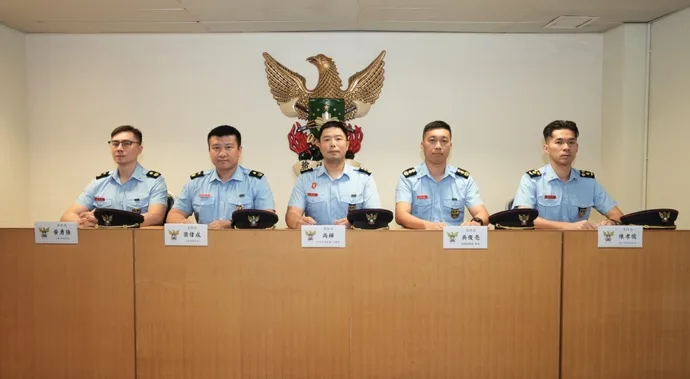
The Fire Services Bureau (CB) has completed 102 administrative penalty procedures against residents who blocked building escape routes with motorcycles or other items, with 37 additional cases underway, the bureau informed during its activity report for the first nine months.
The CB took the opportunity to warn citizens that it will continue to enforce the law in all cases when initial warnings are ignored.
Speaking at a quarterly press conference yesterday, Sheong Wa, acting head of the bureau’s Research and Planning Department, said many residents have a habit of parking motorcycles around buildings, blocking escape routes and emergency access routes, and that the situation often fails to improve after warnings.
“We will continue to promote awareness through multiple channels so that riders understand the fire safety hazards of leaving motorcycles in escape routes — enforcement is also a necessary means,” he said.
The bureau conducted 7,595 fire safety inspections at various premises during the first three quarters, advising rectification or posting notices when non-fixed objects blocked escape routes, and taking enforcement action in cases of repeated non-compliance or serious circumstances.
In the same period, it handled 680 fire calls, up 59 or 9.5% year over year, with 547 requiring no hose deployment — 80.44% of the total.
Forgotten stoves, left-behind embers, burning incense and joss paper offerings, short circuits, and equipment faults accounted for 441 cases, or 64.85% of all fire calls.
Ambulance calls continue to grow
Ambulance calls reached 35,895, up 2,137 or 6.33% year on year, mainly for dizziness, abdominal pain, breathing difficulties, vomiting, fever and injuries.
The bureau continued to urge residents to use ambulance services prudently and only in cases of real necessity.
On equipment, Sheong said the bureau has recently purchased high-reach water spray vehicles and related tools that met expectations, and will consider firefighting drones once the technology matures.
Staff are sent for training on the mainland, in Hong Kong, and overseas, with annual drills across the Guangdong-Hong Kong-Macau Greater Bay Area.
He also noted that CB has recently produced materials for non-resident workers and speakers of less common languages on stove and electrical safety and fire escape to inform everyone about these risks.






Leave a reply
You must be logged in to post a comment.


