Over 85% of resident owners say Iao Hon redevelopment cannot wait

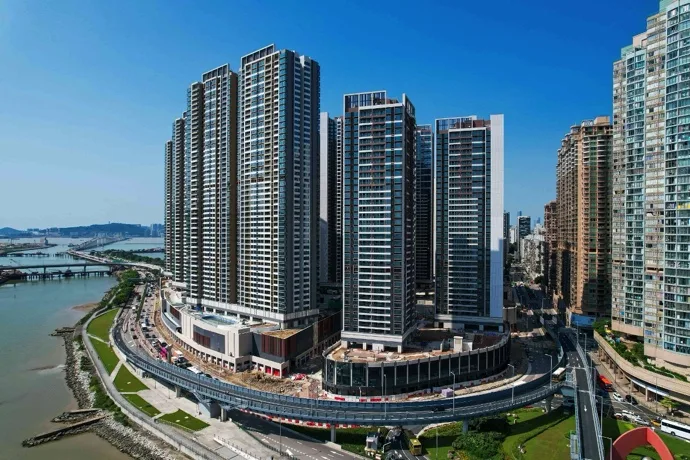
More than 85% of property owners living in the seven Iao Hon buildings believe redevelopment cannot be delayed, according to a survey by the General Union of Neighborhood Associations, which also found that many residents have limited financial capacity to contribute to rebuilding costs.
The survey collected 587 valid questionnaires from local residents, focusing on the seven buildings and the surrounding community. Of the respondents, 53.83%, or 316 people, live in the buildings. It examined views on building safety, reasons for rebuilding, rehousing and compensation, willingness to share costs, community facilities and obstacles to renewal.
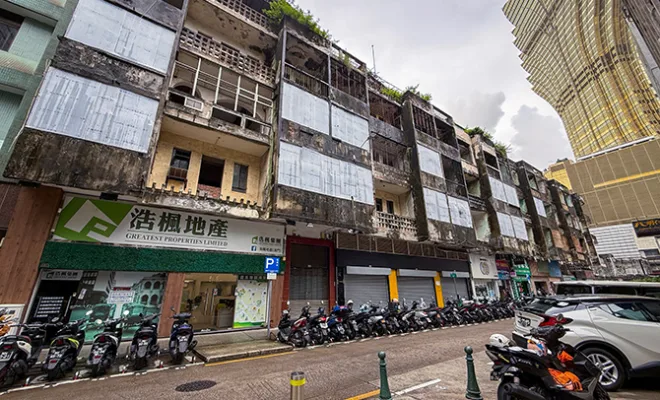
The buildings date from the 1970s and are now more than 40 years old, with problems including structural deterioration, spalling concrete, water seepage, fire hazards and poor sanitation. Among respondents, 74% cited poor environmental hygiene, 72% structural ageing, more than 50% water seepage and over 40% fire safety hazards.
Nearly 70% considered renewal urgent, with overall support at 68% and opposition below 3.5%. A breakdown of responses by residence status showed that owners living in the buildings felt the strongest sense of urgency: 85.88% said rebuilding could not be delayed, citing improved living conditions and structural safety as their main concerns.
The core dilemma is demographic and financial. Residents aged 60 or older made up 44.29% of respondents, and more than half were either unwilling or unable to contribute significantly toward modern facilities. Of the respondents, 25.14% were unwilling to bear any cost, while 29.90% could accept only a symbolic contribution of less than 5%. The gap between strong demand for rebuilding and older residents’ limited financial capacity is a key obstacle the project must overcome.
The survey recommended that the government and the Urban Renewal Company publish a clear rebuilding timetable with phased plans, setting out the order of works for each building, milestones for obtaining property owners’ consent and expected rehousing dates to ease residents’ anxiety over long waits.
Given the high proportion of elderly residents, it recommended moving away from relying solely on mass-media publicity and instead setting up permanent community consultation points with associations, using illustrated, plain-language explanations delivered door to door. It also called for the early publication of criteria for temporary housing and rental subsidies, with dedicated relocation support for elderly residents.
On financing, the survey proposed diversified funding tools, including adjusting plot ratios to subsidize construction costs and studying dedicated low-interest urban renewal loans and mechanisms compatible with reverse mortgages to ease the burden on older residents. Planning should remain age-friendly, it said, with better barrier-free facilities and recreational space, while retaining some ground-floor shops to preserve Iao Hon’s community character.
The government said in its 2027 Policy Address that it would continue refining redevelopment plans for the seven buildings and had included urban renewal as a dedicated chapter in the Third Five-Year Plan.



Leave a reply
You must be logged in to post a comment.