
Population growth masks continued decline in births


[Photo: Lynzy Valles]
Macau’s population continued to expand in the third quarter of 2026 despite a sustained decline in newborns, with incoming residents offsetting the shrinking number of births and adding to the city’s changing demographic profile.
The latest figures from the Statistics and Census Service (DSEC) show that 2,037 babies were born between January and September, down 4.4% from the same period last year, representing 93 fewer newborns.
The decline follows a record low in 2025, when Macau registered just 2,871 births, the fewest since 1978, when the city recorded 2,407 newborns under Portuguese administration.
The latest figures suggest that the downward trend has continued into this year, despite the city’s overall population increasing.
Macau had approximately 688,000 residents at the end of September, after its population grew by 1,400 in the third quarter. The increase was largely supported by population movements, including the arrival of 639 people from mainland China and the granting of residency to another 290 foreigners.
The contrast between population growth and declining births points to the growing importance of immigration in sustaining the city’s population, as natural population growth faces increasing pressure from persistently low fertility.
The longer-term figures also indicate a widening gap between the number of children being born and the size of the existing population. Fertility rate fell to 0.47 births per woman aged 15 to 49 in 2025, down 0.11 from the previous year.
This marked the 11th consecutive annual decline and the lowest rate since DSEC began compiling the indicator in 2001. The figure is substantially below the 2.1 births per woman generally considered necessary for a population to replace itself without migration.
According to estimates by the United Nations Department of Economic and Social Affairs, Macau had the world’s lowest fertility rate in 2024, followed by Singapore at 0.95 births per woman.
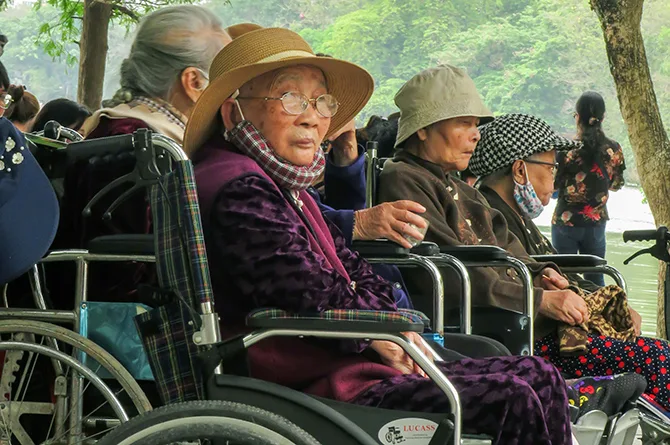
The declining birth rate is also unfolding alongside an increasingly aged population. Older residents outnumbered younger people for the first time in 2023, reflecting the combined effects of fewer births and longer-term demographic changes.
Government projections indicate that the elderly could account for nearly one-quarter of Macau’s population by 2041, while authorities have warned that the city is expected to experience a period of “super-low birth rates” this decade.
The latest birth figures also follow six consecutive years of declining newborn numbers, with the 2025 total marking a significant departure from earlier decades when Macau had a considerably smaller population but recorded more births.
In 1978, when 2,407 babies were born, the city had fewer than 249,000 residents. By comparison, Macau’s population had reached approximately 688,000 by September this year, while the number of newborns remains substantially lower.





Leave a reply
You must be logged in to post a comment.

