
Yuan appreciation has limited impact on local restaurant prices: insider
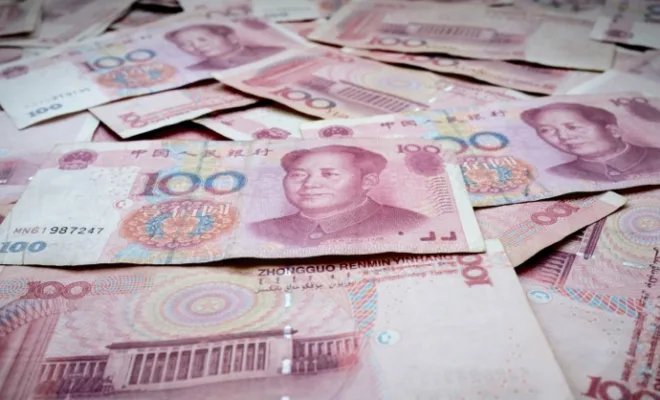
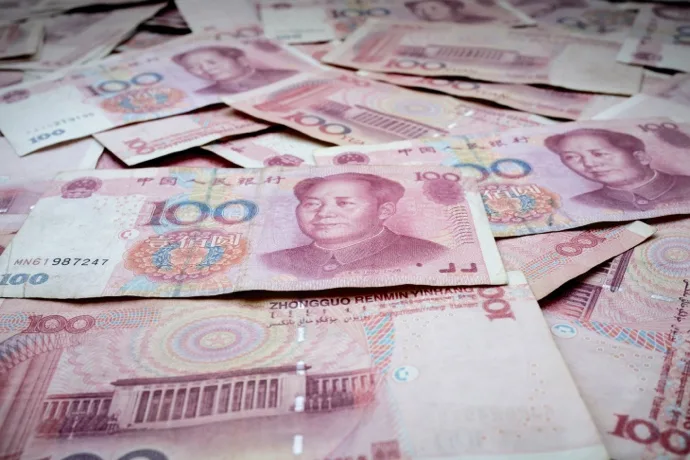
The yuan’s recent appreciation is adding another cost consideration for Macau’s food and beverage industry, although the immediate impact on menu prices is expected to remain limited, according to an industry representative.
The yuan has recently traded between 6.71 and 6.74 against the U.S. dollar, reaching its strongest level in about three and a half years. The appreciation could increase procurement costs for Macau businesses, with around 60% of the restaurant industry’s food ingredients sourced from mainland China.
Ieong Weng Seng, president of the Macau Food & Beverage Industry Development Association, said the impact of exchange-rate movements would vary across the industry. While restaurants’ reliance on mainland suppliers could expose them to higher procurement costs, he said exchange-rate movements would take time to filter through to food prices, according to a report by Macao Daily News.
Suppliers commonly use futures contracts when purchasing ingredients, while the industry also generally operates on monthly settlement arrangements. As a result, there can be a time lag of about 30 days before exchange-rate movements are reflected in prices paid by restaurants and consumers.
Inventory practices can also help cushion short-term cost increases. Vegetables, which have short shelf lives, can generally only be stored for one or two days, while meat can be frozen for longer periods. Ieong said about 70% of the ingredients used by many local casual restaurants are frozen meat products, limiting their immediate exposure to yuan appreciation.
Higher-end restaurants, including Michelin-starred establishments in hotels, could face greater cost increases because they rely more heavily on fresh ingredients.
Despite the higher costs, Ieong said restaurants were unlikely to raise menu prices in the short term. Businesses are instead expected to absorb additional costs through internal adjustments and narrower profit margins amid an already challenging operating environment.
He said the bigger concern for Macau businesses was the longer-term shift in customer sources and spending patterns.
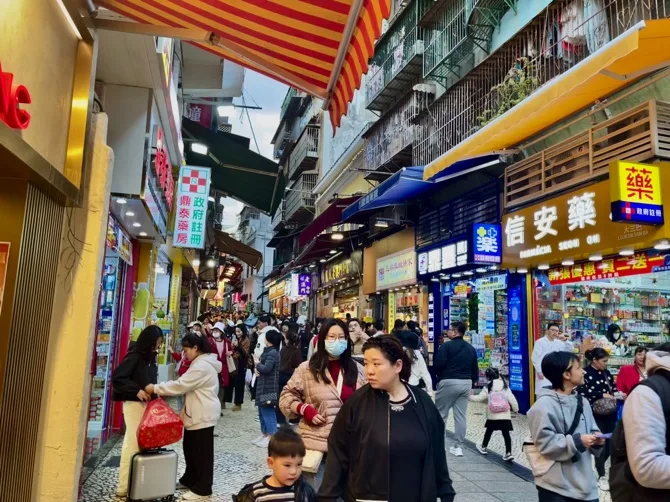
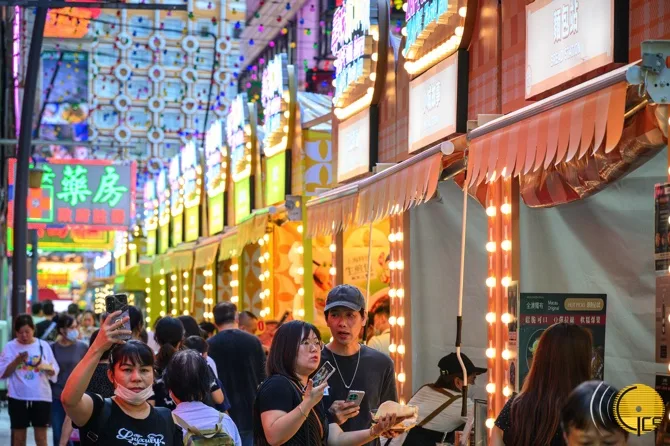
In the NAPE district, for example, customer traffic has shifted from gaming-related spending toward leisure activities, reducing the area’s traditional consumer base. Ieong said businesses would need to work together to identify new commercial opportunities and develop alternative sources of demand.
For the restaurant sector, he said managing costs would remain important, but adapting to changing consumer behavior would be the more significant long-term challenge.



Leave a reply
You must be logged in to post a comment.

