China injects $53 billion into banks and insurers

[AP Photo]
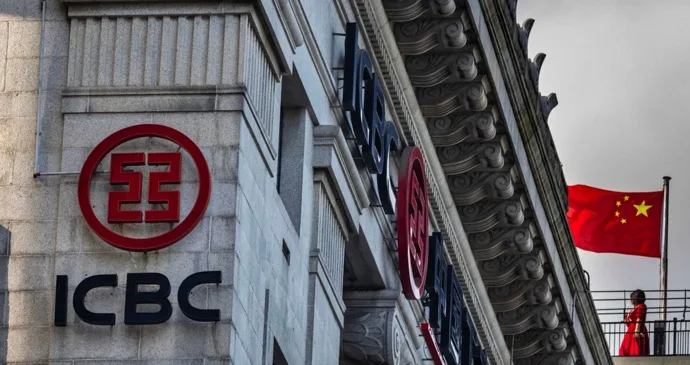
China is injecting RMB360 billion ($53 billion) into major banks and insurance companies as Beijing seeks to strengthen the financial sector and support economic growth, the Financial Times reported.
Eight state-controlled financial institutions will receive RMB300 billion from the Ministry of Finance and RMB60 billion from state-owned tobacco companies, according to announcements cited by the FT.
Recipients include the Industrial and Commercial Bank of China and Agricultural Bank of China, as well as insurers China Life, PICC, China Taiping and China Reinsurance.
The recapitalization comes as weak consumer spending and a five-year property downturn weigh on banks’ profitability. Low interest rates are also reducing insurers’ long-term investment returns and eroding their financial buffers.
Beijing announced a separate RMB520 billion capital injection last year for China’s largest state-owned banks. This year’s program was initially expected to cover the remaining two of the country’s six major state banks but was expanded to include insurers and other government-controlled financial institutions.
The Export-Import Bank of China and export credit insurer Sinosure will jointly receive RMB40 billion. Both institutions play important roles in financing and protecting Chinese importers and exporters.
The four state insurance groups will receive a combined RMB60 billion, marking the Ministry of Finance’s first major capital injection into the insurance sector in two decades, analysts told the FT.
Cheng Tan, founder of Beijing consultancy GMF Research, said the inclusion of policy banks and insurers showed that authorities had broadened the initiative into a comprehensive recapitalization of state-backed financial institutions.
Additional capital could give insurers greater capacity to invest in equities, supporting Beijing’s efforts to channel more long-term institutional funds into the stock market.
Although Chinese banks generally maintain strong capital ratios, falling interest rates have continued to squeeze their earnings. Commercial banks’ net interest margins — a key measure of profitability — fell to about 1.41% at the end of June, according to official data cited by the FT.
Margins have narrowed since 2019 amid interest rate cuts, weak demand for credit and slowing economic growth. The pressure makes it harder for banks to increase lending while maintaining sufficient capital. MDT




Leave a reply
You must be logged in to post a comment.