
Lawmaker calls for more cultural venues in Taipa
[Photo: Renato Marques]
Lawmaker Leong Hong Sai has urged the government to expand the supply of small- and medium-sized public venues for cultural and recreational performances in Taipa, arguing that a growing population and rising demand for community activities have exposed a shortage of suitable spaces.
In a written interpellation, Leong said Taipa had long lacked clearly designated, publicly accessible venues for small- and medium-sized cultural and recreational events, forcing residents and community groups to rely on sports facilities, commercial venues at Cotai integrated resorts, or travel to the Macau Peninsula for performances and rehearsals.
He said the shortage increasingly conflicted with the needs of Taipa’s growing residential communities.
“The demand from residents for nearby cultural, sports, and recreational activities is increasingly diverse and pressing,” Leong said, adding that the adequacy of public cultural and recreational facilities had become an important factor in improving residents’ quality of life in the Islands District, which includes Taipa, Coloane, and the reclaimed land of Cotai.
Leong pointed to the Macau Cultural Center and the Dom Pedro V Theatre on the peninsula as examples of venues Taipa residents may need to travel to use.
He said that community groups, schools, youth arts groups, and nonprofit cultural organizations also struggle to secure venues for performances, rehearsals, and arts education.
The lawmaker urged the government to assess the shortage of public performance spaces in Taipa and to include small and medium-sized public venues in its cultural infrastructure plan, adding that the government should identify the location, floor area, capacity, and completion timetable for these venues.
Meanwhile, Leong also raised the possibility of using Taipa’s underutilized land for cultural and sports facilities.
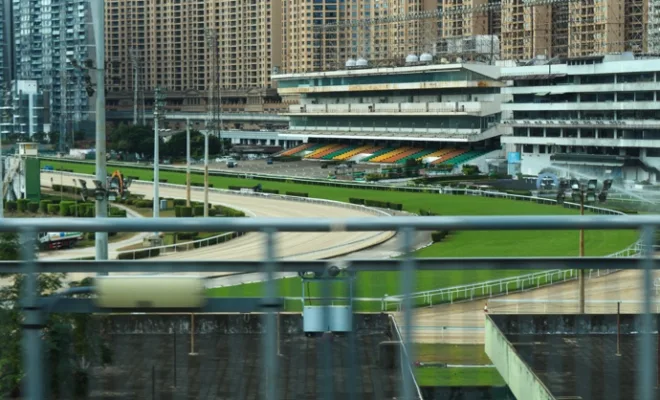
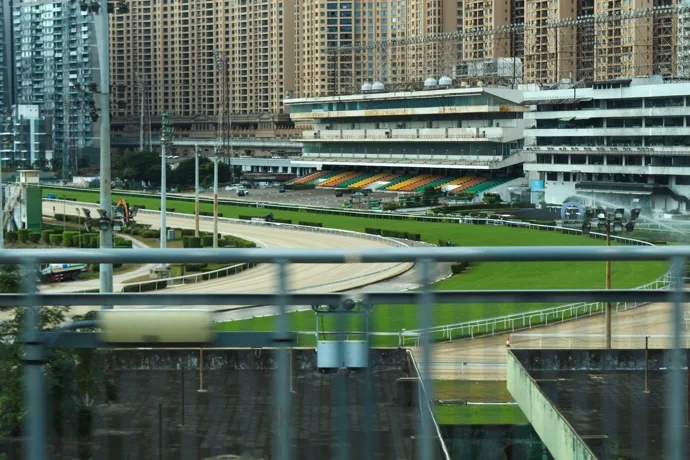
He cited the site of the former Macau Jockey Club, which the government plans to develop into a multifunctional venue for cultural and sporting activities, as well as the former Ocean World site, where development options remain under discussion.
He urged the government to develop a broader plan for cultural performance venues as Taipa develops and to regularly disclose progress on their locations, design, construction, and opening.
“The government should establish a clear construction plan for cultural performance venues for Taipa’s current development,” he said.
In the short term, Leong called for the government to make better use of existing facilities, including the Taipa Sports Pavilion, community centers, and the Taipa Houses Museum.
He proposed establishing permanent time slots for cultural and recreational performances and rehearsals at these venues, with reduced or waived rental fees for residents and community organizations.
The government should also consider providing technical assistance and subsidies for venue operating costs, he said, to ease the shortage until new facilities are completed.
Leong linked the proposals to the economic diversification strategy and to the city’s 2026-2030 Five-Year Plan, which identifies developing a “City of Performing Arts” and a “City of Sports” as key objectives.
He said that the growth in large concerts and outdoor performances in recent years had increased the need for a more comprehensive network of public cultural and sports facilities, particularly in Taipa.
Rather than relying primarily on large commercial venues or major cultural facilities elsewhere in the city, Leong argued that Taipa should have more accessible spaces where residents can attend performances, rehearse, participate in arts education, and organize community festivals close to home.



Leave a reply
You must be logged in to post a comment.


