The taxi system needs accountability


Renato Marques
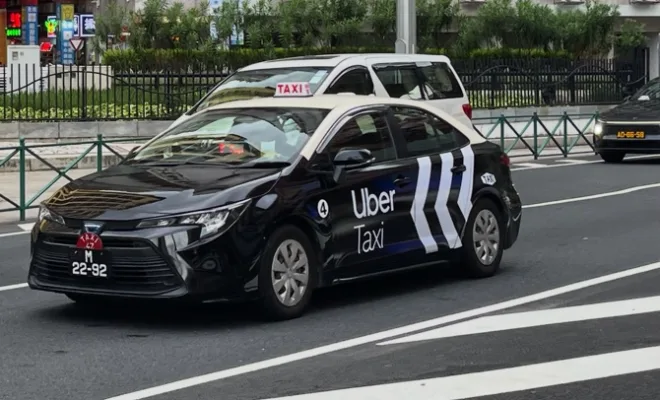
Authorities recently announced the results of yet another tender for taxi operations in Macau. Long overdue, the tender aims to award licenses for up to 700 taxis.
But the process repeats the same old flaws. Despite calling for modern vehicles and payment methods, it fails to modernize the system or control who receives the licenses.
Let’s recap the rules: We want clean, modern vehicles; we want drivers to offer e-payment options; and we want drivers to provide good service and respect the rules.
The problem is this: most of what we want depends on taxi drivers, but the licenses don’t. If you ask me, that is the real problem.
If a driver has a license and operates a car on his own (as in many jurisdictions around the globe), he is immediately accountable for everything, from his driving to the maintenance of the vehicle and the quality of the service. It is easy to hold him accountable when he fails to follow the rules, and penalties are also effective because they immediately affect his ability to work or his income.
In the current local system, very few, if any, drivers are included in this process, and only large-scale companies control the licenses, the cars, and pretty much everything else, except the final part: service to the customer.
Of course, this also happens because bidding for a license is prohibitively expensive for individual drivers.
Under Macau’s 2019 taxi law, participation in new operating-license tenders is limited to locally established companies with at least MOP5 million in capital.
The recent tender offered 14 eight-year licenses, each covering up to 50 taxis.
The winning bids announced last week ranged from MOP5.1 million to about MOP6.03 million, averaging MOP5.56 million, well above the previous tender’s highest winning bid of MOP3.8 million.
Now let’s imagine each of these licenses covers 50 taxis on the road. At MOP5.56 million, that’s about MOP111,200 per car or MOP13,900 per year (since we are talking about an eight-year license), a price anyone planning to enter the profession would consider.
Of course, this is just the license, not the car, the equipment, or the operating costs of running and maintaining a taxi. But at the end of the day, what’s the downside of selling individual licenses to drivers instead of bundling them into a package for a management company acting as a middleman? And how easy would it be to get these individually licensed drivers to comply with the rules?
Unfortunately, those with the authority to amend the rules clearly don’t want to, suggesting there is much more at stake in this system than simply operating a taxi.
Who wins? We are not sure. But we clearly know who loses. We all lose—residents, visitors, and even drivers.
One thing is certain, at least to me: with the high bids involved and the high profile of taxi activity in Macau, it will not be easy to keep drivers away from the temptations of “easy money,” and maybe that’s exactly the point.
Then comes the taxi association, warning, “If we put so many cars on the road, we won’t have enough drivers,” prompting the same question again: How different would it be if drivers controlled their licenses? What if they didn’t have to rent “whatever cars are available” and could choose a car that suited them and their budget?



Leave a reply
You must be logged in to post a comment.