How Macau’s young people are rewriting their housing choices


Yuki Lei
Macau’s younger generation is quietly changing how it thinks about housing. The belief that “renting is no match for paying off a mortgage” remains dominant, but a trend towards long-term renting, a shift from buying to renting and a pursuit of flexibility is emerging — both a rational adjustment to reality and a reflection of deeper structural problems in the property market.
Surveys show most young residents doubt the stability of long-term renting. They see mortgage payments as saving, and property as something to pass on, so renting is mostly a stopgap. That mindset rests on one premise: being able to afford to buy. In reality, young people cannot raise the hefty down payment. Repeated calls for “rent-to-own” schemes or youth housing reflect how widespread the difficulty has become.
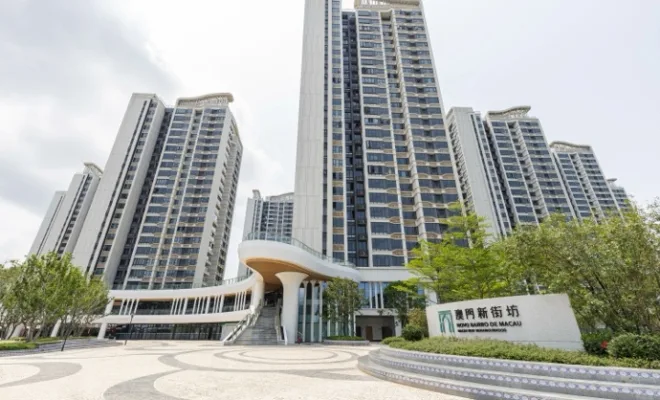
With public housing projects such as New Urban Zone A moving forward, many young people are pinning their hopes on the economic or social housing ladder, and demand for long-term private rental remains muted. Some returning from abroad rent briefly, favoring estates with good value and amenities, while older districts such as San Kio and Praia do Manduco see rents under pressure from ageing buildings and an outflow of young people. Young people are not unwilling to buy — they cannot afford to, dare not, and see no prospect of doing so.
Online discussion is blunter than official data. One netizen, reasoning from demographics, noted that the 2017 peak coincided with the 1985 “baby boom” cohort turning 32, the typical age for a first home. By 2027, this group will turn 42 — the age for a second, larger purchase — leading him to predict a new upswing. The logic has merit but ignores a key premise: upgrading requires purchasing power.
The skepticism in response is closer to reality. Part of the 1985 cohort has already applied for subsidized housing, while others are in negative equity and reluctant to sell at a loss to upgrade. Macau’s birth rate is extremely low, the city is hollowing out, and wages for recent graduates remain low; the engine that once drove rapid growth has braked. As one commenter put it, an upward market needs purchasing power — “without it, nothing else matters.”
The real crisis is not short-term price movements but weakening fundamentals. A low birth rate, an ageing population, sluggish income growth and a narrowly based economy are eroding genuine demand, while a large stock of ageing housing is deteriorating and pushing up maintenance costs. As one netizen observed, prices must fall because much of the housing stock is no longer young.
The property industry’s demands — relaxing mortgage limits, offering interest-free loans of up to MOP1 million for first-time buyers, and pushing old-district redevelopment — are in part a response. But whether such measures work depends on a more fundamental question: whether young people have stable incomes and confidence in the future.
The shift from buying to renting should not be dismissed as young people “lying flat.” When down payments are hard to raise and prospects uncertain, renting and staying flexible is rational self-protection. The real crisis is when a society’s young people no longer believe hard work can earn them a place to call home. The future of Macau’s property market depends on whether young people can see hope again — and that matters far more than any price forecast.



Leave a reply
You must be logged in to post a comment.