
Macau tightens screening after unexplained pneumonia death in Russia

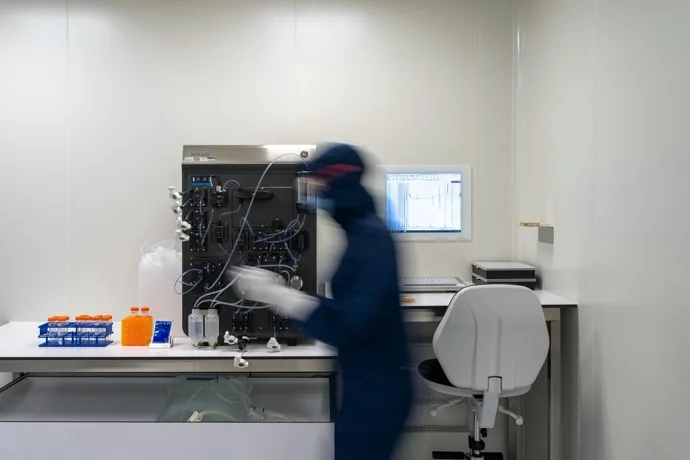
Macau and Hong Kong are strengthening border health screening after a researcher died of pneumonia of unknown cause in Russia’s Irkutsk region. However, authorities continue to say the immediate public health risk remains low.
Health Bureau (SSM) said in a statement yesterday that travelers who visited the Siberian region within 14 days of entering Macau must proactively report their travel history to border health personnel and undergo medical screening.
The measures include a voluntary health declaration at major crossings and enhanced checks for passengers with fever. Health personnel will individually assess each passenger’s travel history and possible contact with infected people.
Anyone suspected of having pneumonia of unknown cause will be immediately transferred to Conde de São Januário Hospital for further assessment and testing.
SSM states that it will also alert medical institutions to report unexplained pneumonia in patients who visited Irkutsk within 14 days of symptom onset.
Rospotrebnadzor, Russia’s federal public health and consumer protection agency, announced the death of a researcher on Oct. 5, but the agency rejected speculation that the death involved pneumonic plague and denied any microorganism-related accident at the research institute.
According to information from Russian authorities relayed by the World Health Organization (WHO), SSM said no plague cases have been recorded in the region. There was also no evidence of additional unexplained pneumonia cases or sustained transmission linked to the death.
However, the responsible pathogen has not been identified, leaving the case uncertain.
Meanwhile, authorities in neighboring Hong Kong are introducing health checks for airport arrivals from Russia, while also assessing the immediate risk as low.
Hong Kong’s Center for Health Protection (CHP) of the Department of Health (DH) states, “The Russian authorities reported that no biosecurity incidents had occurred in the laboratory and that quarantine measures were instituted at the hospital where the patient was being treated.”
It adds, “According to WHO’s assessment, no evidence of ongoing transmission associated with this event has been identified so far. Nevertheless, a key uncertainty remains the lack of a confirmed diagnosis for the deceased laboratory worker. WHO will continue to monitor the situation and assess any potential public health implications as further information becomes available.”
SSM said it would maintain communication with the WHO and neighboring health authorities and adjust precautions as information emerges.
Residents who develop fever, cough, chest pain, or shortness of breath after returning should seek medical attention promptly and disclose their travel and contact histories.


Leave a reply
You must be logged in to post a comment.


